
Research
Inspired by nature’s biological diversity, engineered for precision and cure


Metagenomi’s discovery platform unlocks novel cellular machinery from natural environments to develop next generation genome editing tools.
CRISPR systems, having been studied for decades, are known to be ubiquitous in the microbial world. However, only a few systems have been used for gene editing, leaving open the potential to identify and develop new therapeutically-relevant systems through continued and systematic discovery efforts.
Metagenomi was founded by pioneers in the field of metagenomics, a powerful science that allows us to tap into the diversity of microbial life on this planet. Instead of using traditional laboratory methods, we recover microbes from the natural environment and study them based on their genetic blueprint — their genome sequences. Our multifaceted platform enables discovery beyond programmable nucleases, translating highly active natural enzymes into next-generation genome editing systems.

Proprietary sampling
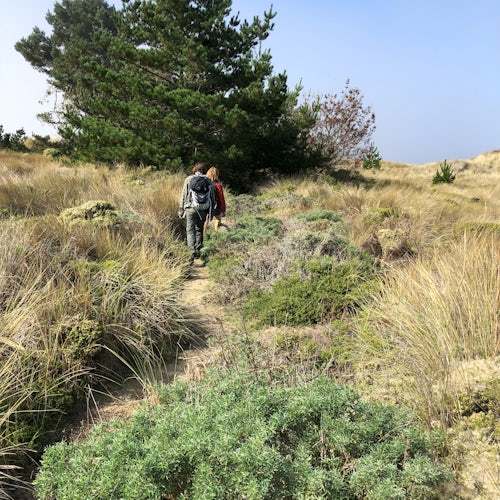
Our discovery process begins with expeditions in which our scientists collect samples from diverse climates and geographies. Next we sequence DNA and reconstruct genomes of microbes to build our industry-leading metagenomics database.

AI-enabled screening
We interrogate our metagenomics database using our cloud-based platform, which combines proprietary AI and machine learning algorithms, to screen for novel systems. High-throughput screening allows us to quickly analyze and identify high-performing CRISPR nucleases and other effector enzymes.

Modular engineering
Our modular engineering approach allows us to combine lead nucleases with ideal base or prime editing components keeping us at the cutting edge of genome editing. This high-speed process allows us to continually iterate in order to quickly engineer high-performing systems that aim to address diverse therapeutic applications.
Uncovering genome editing systems from unknown lifeforms
Through our metagenomics-driven discovery process we have assembled extensive libraries of millions of nucleases, deaminases, reverse transcriptases (“RTs”) and over one thousand CASTs. We have identified over 20,000 specific systems. As we continue to build upon our metagenomic library, we expect to make additional discoveries of novel genome editing technology and expand our toolbox.
Our capabilities enable us to rapidly and effectively screen and select tools with the highest targetability, specificity, and efficiency in order to develop them into genetic medicines.
- 385 trillion
- Base pairs sequenced
- 6 billion
- Predicted proteins
- 155 million
- Cas-associated proteins
- 1.43 million
- Predicted CRISPR loci
- 20,000+
- Editing systems identified

Our proprietary gene-editing systems — discovered and developed in-house — expand precision and targetability across the genome beyond CRISPR-Cas9
Our capabilities enable us to rapidly and effectively screen and select systems with desired specificity, genome targeting, and editing efficiency to create the next generation of genetic medicines.